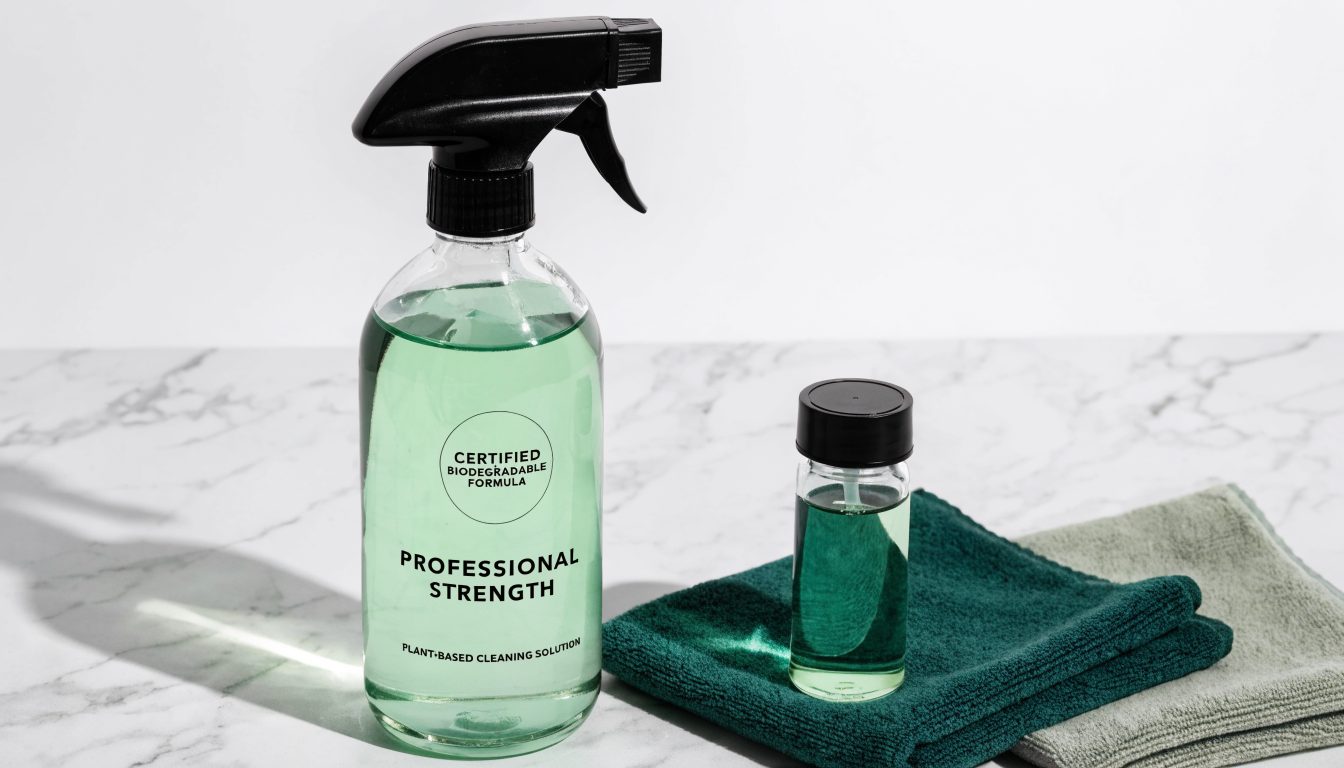
Find the repeat offenders, reduce friction, and stop cleaning low-impact spaces first.
Start with the work that changes the room
Notice what looks dirty first: floors by the door, a crowded kitchen counter, a bathroom mirror, pet hair on the sofa, or laundry that never reaches the closet. Those are not personal failures. They are signals that the home needs a system for the way people actually use it. Start with one or two zones instead of adding a giant cleaning chart.
Use a method you can repeat
Make the easier action the one that happens. Put a bin where shoes collect, keep a small trash can where wrappers accumulate, store cleaning cloths near the bathroom, and give every frequently used item a home. A routine fails when every task requires a scavenger hunt for supplies.
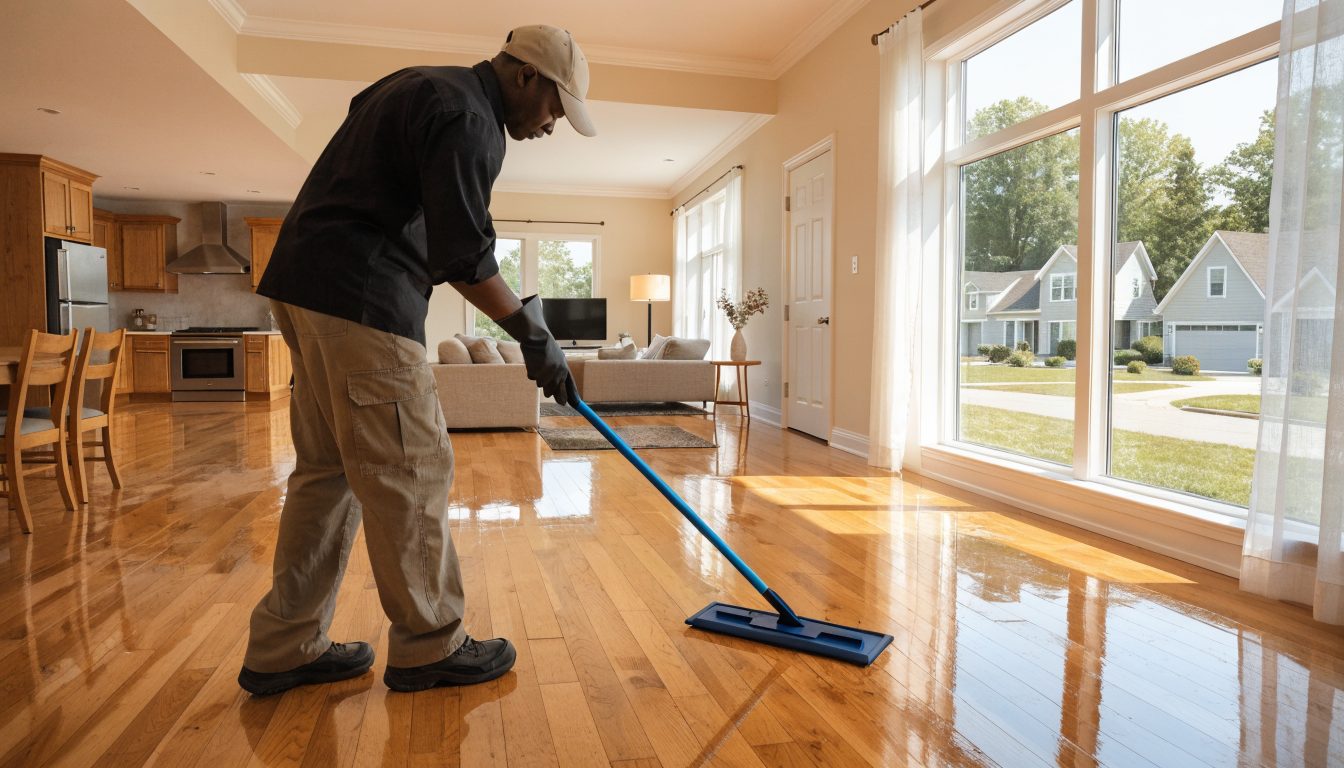
Avoid the shortcuts that create more work
Reduce visual clutter before judging cleanliness. A cleared counter and picked-up floor make a room feel dramatically better even before deep cleaning begins. Then reserve a brief, repeating block for floor care and bathroom/kitchen surfaces. That sequence gives the most visible return for the least time.
When it is worth bringing in help
If the baseline still disappears too quickly, consider recurring cleaning. Professional help is useful when the home’s actual workload exceeds the time and energy the household can consistently give it.
Turn this guide into a workable plan
For the ongoing work that does not fit your schedule, learn about recurring cleaning. You can also review pricing guidance or request a free quote.
Frequently asked questions
Where should I begin if I only have an hour?
Start with the room that affects daily life most, usually the kitchen, bathroom, or entry. Clear clutter first, then clean the most-used surfaces and floor area.
How do I keep the job from coming back immediately?
Choose one small repeatable habit for the area that gets dirty fastest. A ten-minute routine practiced consistently has more impact than an occasional exhaustive clean.