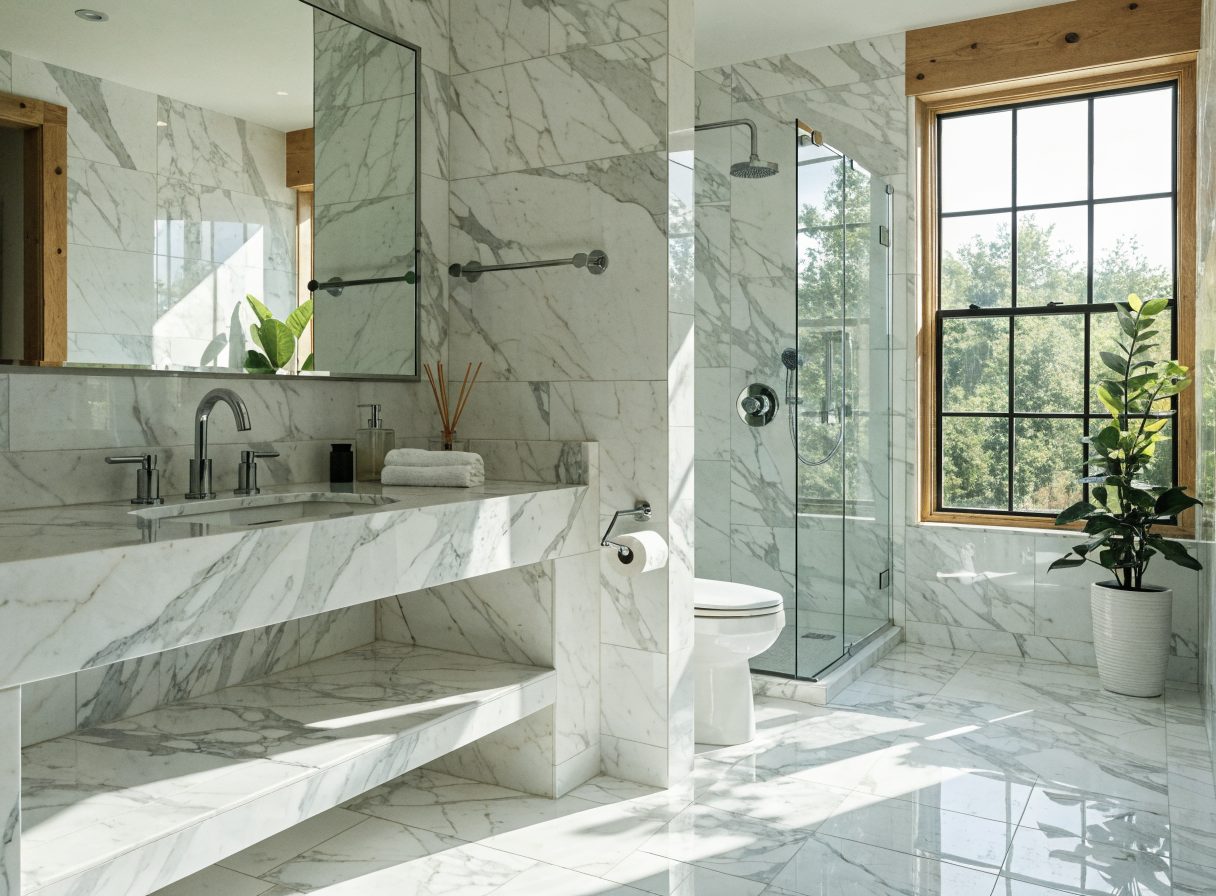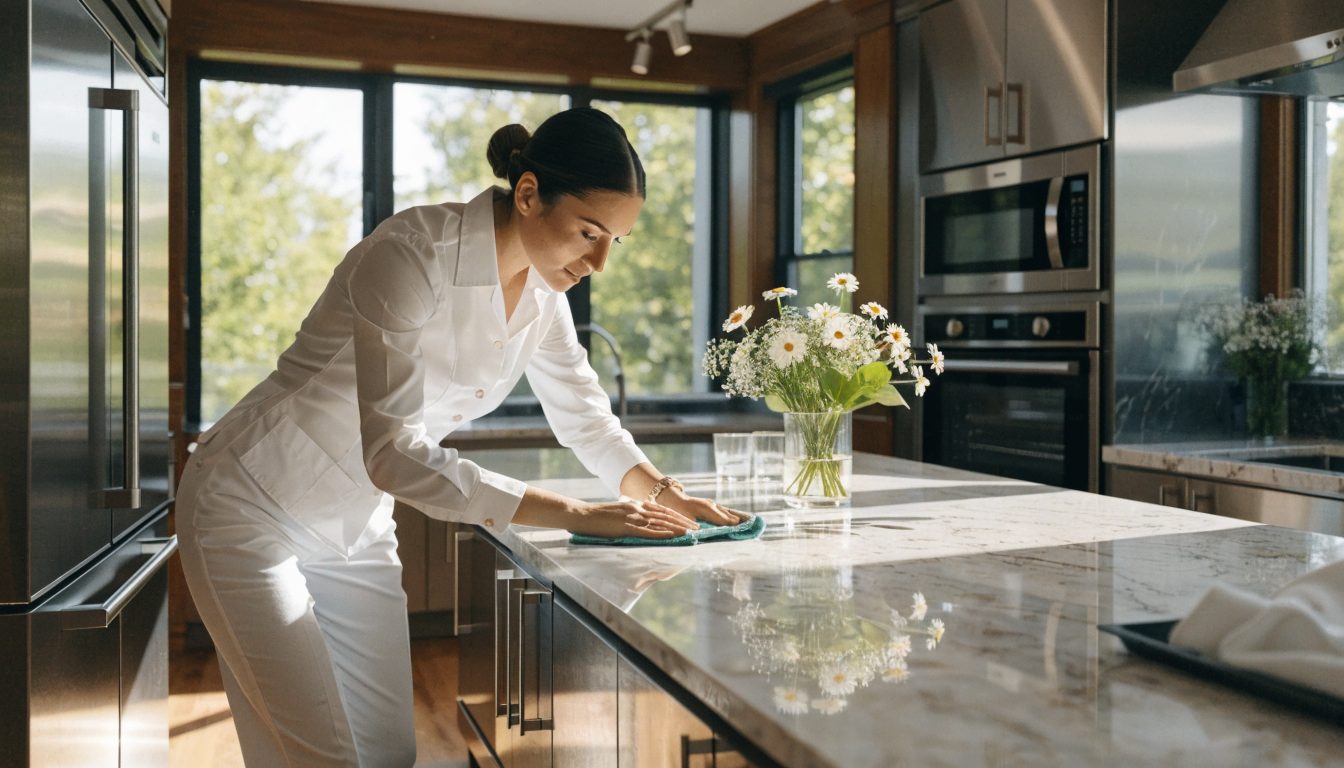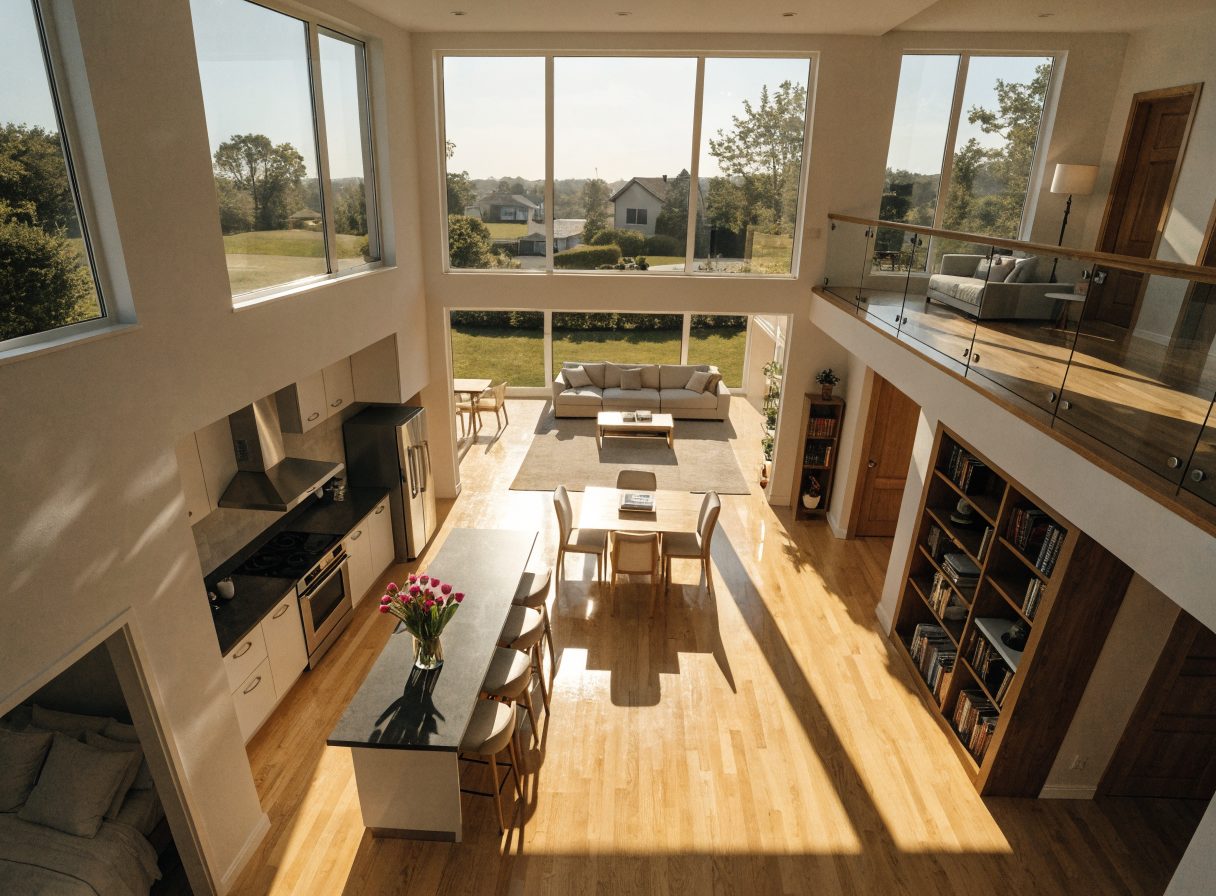
Construction dust — mostly fine drywall and sawdust particles — is smaller and more airborne than typical household dust, which means it settles into HVAC vents, light fixtures, inside cabinets, and behind baseboards, not just on visible surfaces. A regular cleaning pass wipes the surfaces you can see and leaves the rest to resettle within days. A proper post-renovation clean works top-to-bottom and inside-out: vents and fixtures first, then surfaces, with a second pass once the dust that was still airborne has had time to settle.
Why Construction Dust Is Genuinely Different
Drywall dust, sawdust, and grout or tile debris are finer than everyday household dust, which is exactly why they get everywhere — through door gaps, into HVAC returns, settling on top of cabinets and inside drawers left even slightly open. Wiping down countertops and vacuuming floors addresses what's visible, but a meaningful amount is still suspended in the air or sitting in places a standard clean doesn't check.
What a Proper Post-Renovation Clean Actually Covers
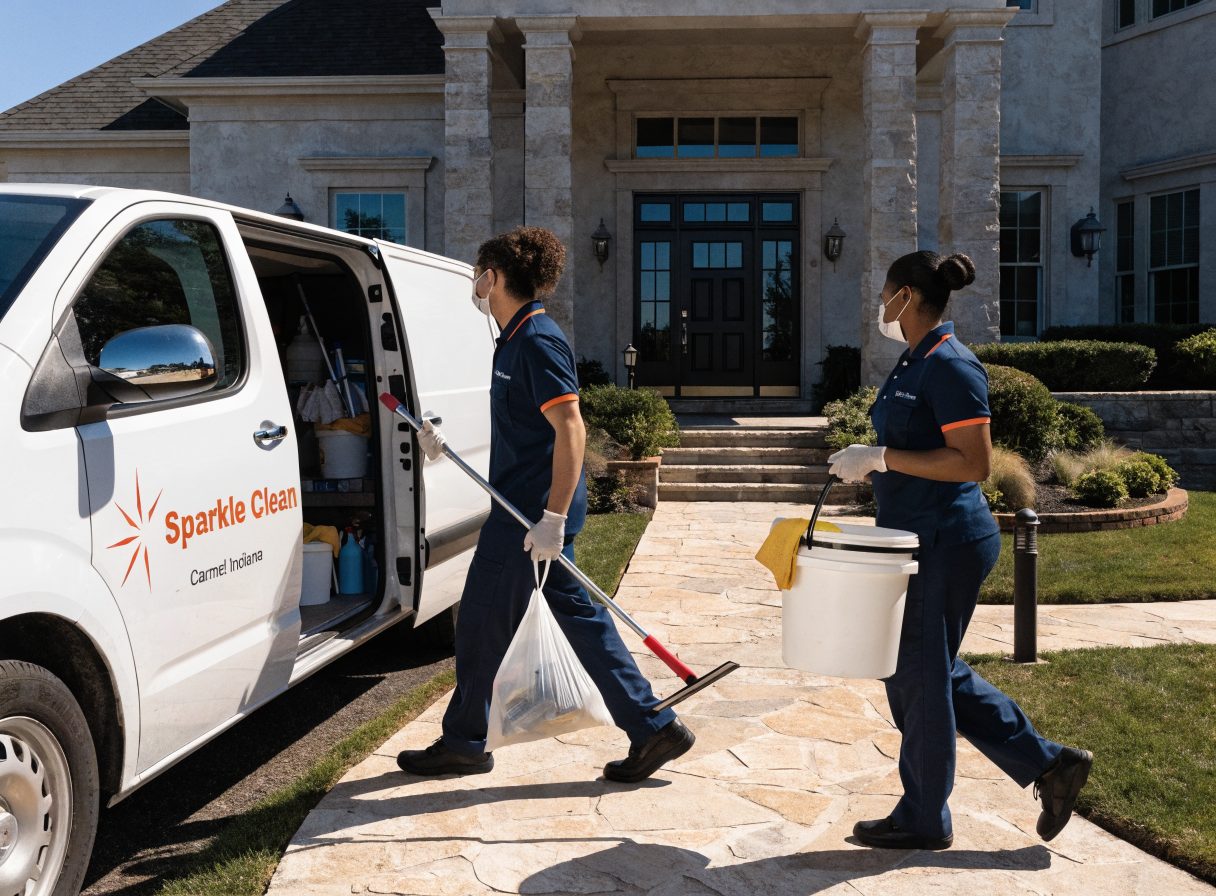
Cleaning supplies staged for a post-renovation deep clean
- HVAC vents and returns: dust gets pulled directly into the system during and after construction; vents and visible ductwork need to be wiped down, and filters usually need replacing
- Light fixtures and ceiling fans: fine dust settles on top of fixtures and fan blades even in rooms untouched by the actual work
- Inside cabinets and drawers: dust works its way in through gaps even in closed cabinetry, especially near the renovated area
- Window sills and tracks: a common landing spot for airborne dust that's easy to miss on a standard pass
- A second pass after 24–48 hours: some dust that was still airborne during the first clean will have settled by the next day — a follow-up pass catches what the first one couldn't
Timing It Right
Cleaning too soon after the crew leaves means working while dust is still actively settling — you'll clean the same surfaces again a day later. Waiting a day or two after the last construction activity, when practical, lets more of the airborne dust settle before the real clean starts, making the whole job more effective and often faster.
If you're moving back in right away
Not every renovation allows for a waiting period — if you need the space usable immediately, a same-day clean followed by a lighter follow-up visit a few days later is a reasonable compromise.
Ready to Skip Straight to Clean?
Our team handles it — get a free, firm quote based on your actual home, usually within one business hour.
Get Your Free Quote