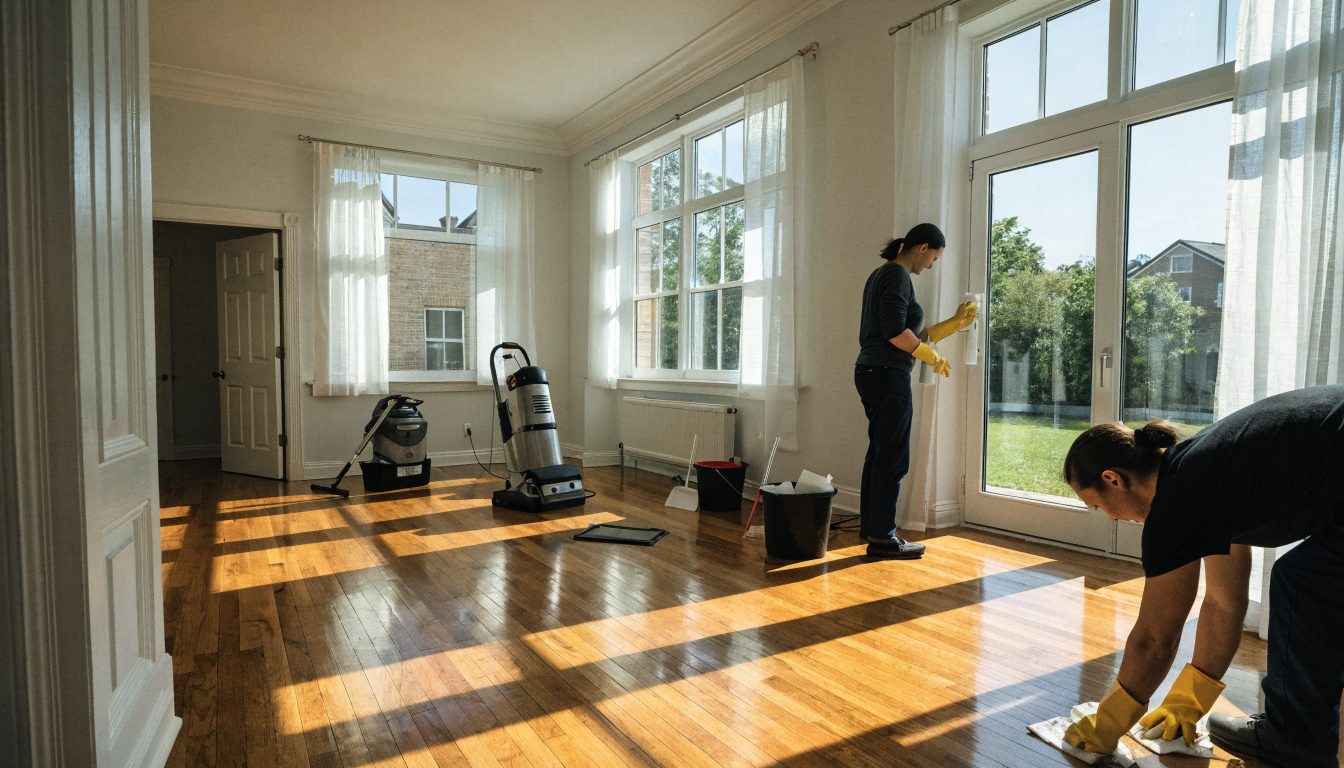
Indiana landlords generally compare your unit's condition against a move-in checklist or photos, looking specifically for damage beyond normal wear and tear — not for a spotless showroom. The categories that get flagged most often are: cleanliness of kitchens and bathrooms, carpet condition, wall damage beyond small nail holes, and missing or damaged fixtures. Documenting the unit's condition yourself, with photos and timestamps, is your strongest protection if a dispute comes up.
Normal Wear and Tear vs. Damage — Where the Line Actually Falls
Indiana law doesn't provide a precise legal definition of "normal wear and tear," which is exactly why it's the most disputed phrase in any move-out inspection. As a practical matter, most property managers apply a rough rule: wear and tear is the gradual, unavoidable deterioration that happens from ordinary living — light carpet traffic patterns, minor scuffs on walls, faded paint from sunlight. Damage is anything caused by neglect, accident, or abuse — stains that penetrate carpet padding, holes larger than a standard picture hook, or grease buildup that's been allowed to harden over time.
The gray area is cleanliness. A property manager can't charge you for wear and tear, but they generally can charge a cleaning fee if the unit isn't left in a reasonably clean condition — and "reasonably clean" is interpreted more strictly than most tenants expect.
What Actually Gets Flagged Most Often
| Category | Common Issue |
|---|---|
| Kitchen | Grease buildup inside the oven or on stovetop, dirty refrigerator interior |
| Bathrooms | Soap scum or mildew in tile grout, hair in drains, toilet not disinfected |
| Carpet | Stains that weren't professionally treated, matted or heavily soiled traffic areas |
| Walls | Holes larger than standard picture hooks, crayon or marker that wasn't addressed |
| Fixtures | Missing light bulbs, broken blinds, non-functioning smoke detectors |
How to Document Your Unit's Condition
Photos are your best protection, and timing matters more than most renters realize:
- Photograph everything after cleaning, right before you hand back the keys — not days earlier, since condition can change once boxes and furniture are removed.
- Open every cabinet and closet in your photos, not just wide shots of each room. Inspectors look inside; your documentation should too.
- Use a phone that timestamps photos automatically, or take a short video walkthrough narrating the date out loud.
- Compare against your move-in checklist if you completed one — this is your strongest evidence of what condition you actually received the unit in.
If You Disagree With a Deduction
Indiana's security deposit statute (IC 32-31-3) requires landlords to provide an itemized list of damages within 45 days of receiving your forwarding address, along with the remaining deposit balance. If a deduction seems unreasonable, your documentation — especially before-and-after photos — is what supports a dispute. This isn't legal advice for your specific situation, but it's worth knowing the timeline exists and that landlords who miss it can lose the right to withhold deductions.
Ready to Skip Straight to Clean?
Our team handles it — get a free, firm quote based on your actual home, usually within one business hour.
Get Your Free Quote