Cleaning removes dirt, dust, and some germs from a surface using soap or detergent, but doesn't necessarily kill remaining germs. Sanitizing reduces germs to a level considered safe by public health standards, typically used for food-contact surfaces. Disinfecting kills a specific, higher percentage of germs listed on the product label, and is the strongest of the three. In practice: clean first to remove visible dirt, then sanitize or disinfect depending on the surface and situation — a dirty surface reduces how effectively either sanitizing or disinfecting products actually work.
Cleaning: Removing, Not Necessarily Killing
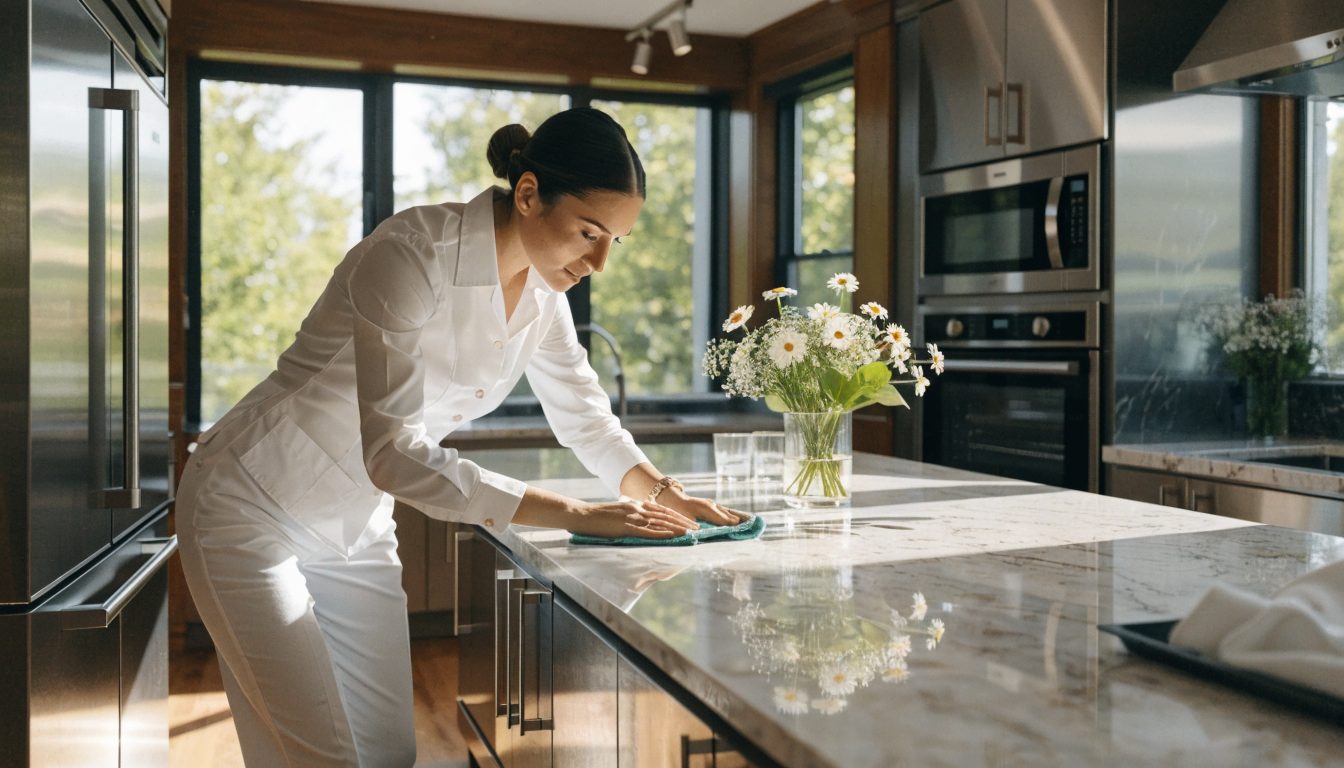
Cleaning uses soap or detergent and water (or another cleaning agent) to physically remove dirt, dust, crumbs, and some germs from a surface. It lowers the overall germ count simply by removing organic material germs feed on, but it doesn't guarantee that remaining germs are killed — it's about visible and physical cleanliness first.
Sanitizing: Reducing Germs to a Safe Level
Sanitizing reduces the number of germs on a surface to a level public health standards consider safe — it doesn't claim to kill all or even most germs, just enough to reduce risk to an acceptable threshold. This is the standard typically used for food-contact surfaces like cutting boards and countertops, where killing 100% of germs isn't the goal, just reducing risk to a safe level for food preparation.
Disinfecting: Killing a Specific, Higher Percentage
Disinfecting uses chemicals specifically registered and tested to kill a stated percentage (often 99.9%) of specific germs listed on the product label, within a specific contact time. This is the strongest of the three and is what's recommended for high-touch surfaces during illness, in bathrooms, or anywhere higher germ-kill matters more than routine maintenance.
Which Approach Fits Which Situation
- Everyday surfaces (counters, floors, furniture): regular cleaning is sufficient for most day-to-day maintenance
- Food-contact surfaces: cleaning followed by sanitizing, especially after handling raw meat or produce
- High-touch surfaces during illness: cleaning followed by disinfecting, focused on doorknobs, light switches, and shared surfaces
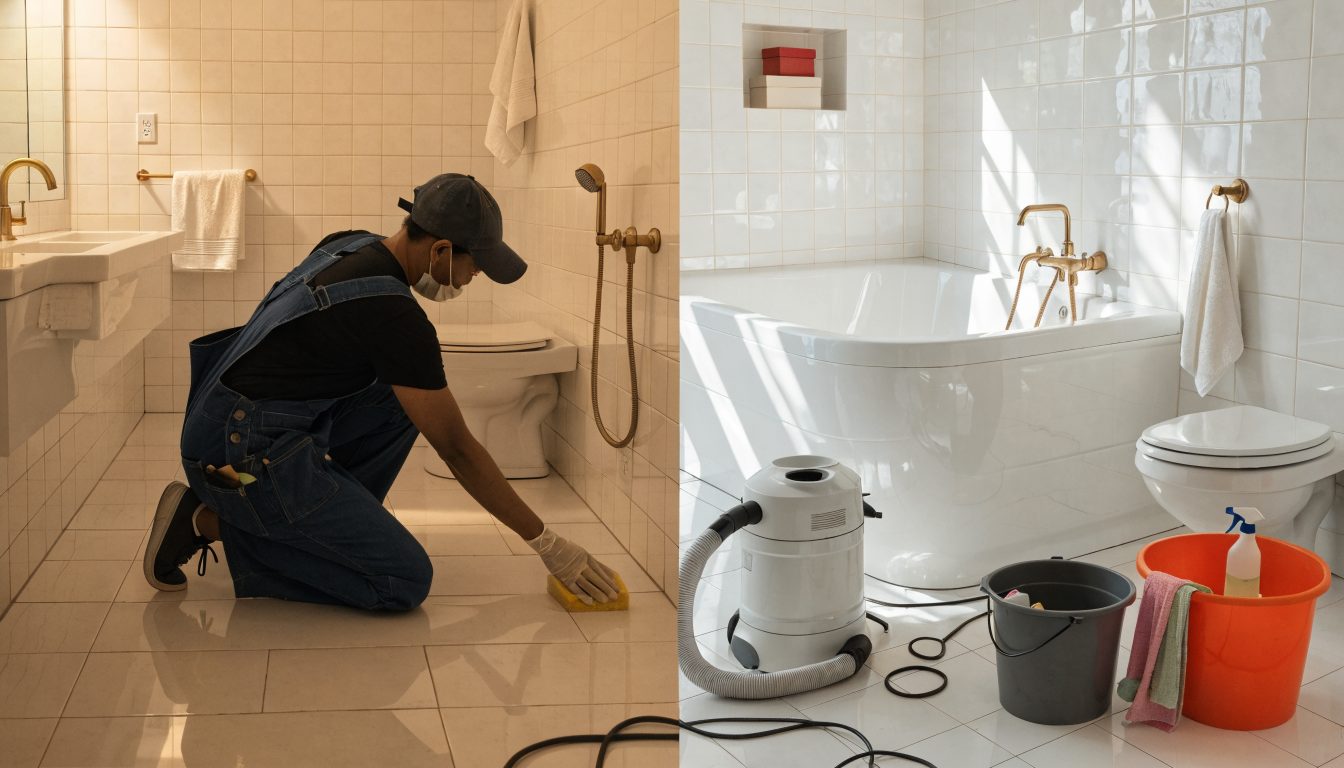
- Bathroom surfaces generally: regular cleaning most of the time, with periodic disinfecting for toilet and sink areas
Ready to Skip Straight to Clean?
Our team handles it — get a free, firm quote based on your actual home, usually within one business hour.
Get Your Free Quote