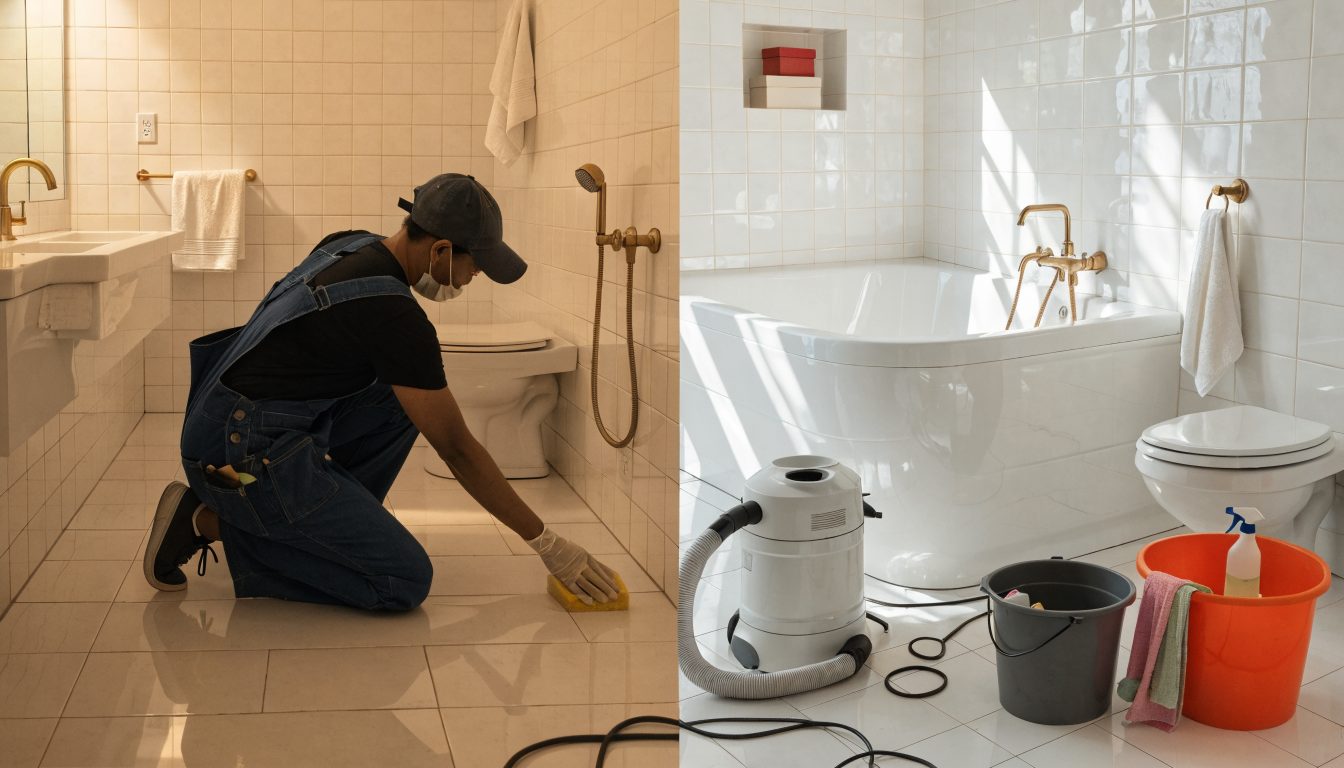
After a cold or flu moves through a household, the surfaces that matter most are high-touch points — doorknobs, light switches, faucet handles, phones, remote controls — since respiratory viruses spread primarily through contact with contaminated surfaces and then touching your face. Regular cleaning removes visible dirt; disinfecting kills germs on a surface, and both steps matter, in that order, since disinfectants generally work better on a surface that's already been cleaned of grime.
Cleaning and Disinfecting Are Different Steps
Cleaning removes dirt, dust, and some germs from a surface using soap or detergent and water — it lowers the number of germs present but doesn't necessarily kill them. Disinfecting uses a chemical specifically intended to kill germs on a surface. For the most effective result after illness, clean a surface first to remove visible grime, then disinfect it, since many disinfectants work less effectively on a dirty surface.
The High-Touch Surfaces That Actually Matter
- Doorknobs and light switches: touched by everyone in the house multiple times a day, and among the highest-risk surfaces for spreading illness
- Faucet handles and bathroom fixtures: especially in the bathroom used by whoever was sick
- Phones and remote controls: frequently touched, rarely cleaned, and often used by a sick person while resting
- Kitchen surfaces and handles: refrigerator and cabinet handles specifically, which get touched constantly during meal prep
- Shared bedding and towels: washing on the hottest appropriate setting for the fabric helps reduce lingering germs
How Long Germs Actually Linger on Surfaces
Cold and flu viruses can survive on hard surfaces like doorknobs and countertops for anywhere from several hours to a couple of days, depending on the specific virus and surface type — longer than most people assume. This is part of why high-touch surfaces deserve specific attention even after the sick person seems to be recovering, not just during the peak of symptoms.
When Disinfecting Actually Matters vs. Normal Cleaning
Disinfecting every surface in the house every day isn't necessary or realistic. Focus disinfecting specifically on high-touch surfaces during and for a few days after someone's been sick, and let your normal cleaning routine handle the rest of the home. Overusing disinfectants on surfaces that don't need it adds cost and effort without meaningfully reducing illness spread.
Ready to Skip Straight to Clean?
Our team handles it — get a free, firm quote based on your actual home, usually within one business hour.
Get Your Free Quote